From ancient times to modern society, fruit has always been one of humanity’s favorite foods. Especially during summer, the perfect combination of fresh fruit, air conditioning, and Wi-Fi represents an ideal lifestyle for countless families.
However, in recent years, extreme weather conditions, climate instability, and seasonal production challenges have significantly affected traditional fruit farming. Reduced yields and unstable supply have caused fruit prices to remain high in many markets.
As a result, modern agriculture is rapidly moving away from traditional “weather-dependent” farming methods toward precision hydroponic cultivation systems.
Among these technologies, rock wool hydroponic cultivation has become one of the most efficient and reliable growing methods for greenhouse fruit production.
Using scientific nutrient management, environmental control, and high-performance substrates such as UPuper, growers can achieve:
· Faster crop growth
· Higher yields
· Improved fruit sweetness
· Better root development
· More stable year-round production
This cultivation method is especially suitable for fruit vegetables and melons, including:
· Melons
· Watermelons
· Cucumbers
· Tomatoes
· Peppers
In this article, we focus on how to grow high-quality melons using UPuper rock wool substrates and precision greenhouse management techniques.
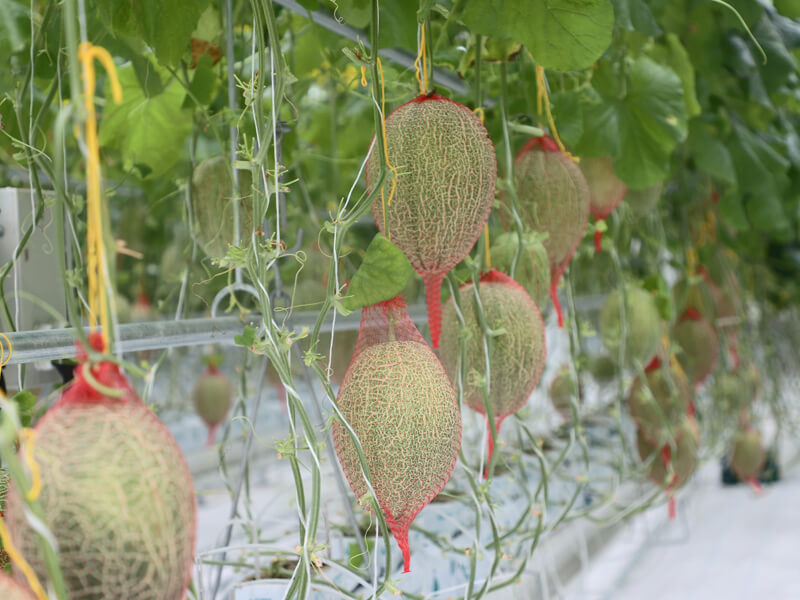
Melons are highly sensitive to environmental conditions. Traditional soil cultivation often suffers from:
· Soil-borne diseases
· Inconsistent water supply
· Nutrient imbalance
· Climate instability
· Reduced fruit quality
Rock wool hydroponic systems solve many of these problems by providing:
· Stable root-zone conditions
· Excellent water-air balance
· Precise nutrient delivery
· Cleaner growing environments
· Better disease control
UPuper rock wool substrates are specifically designed to support healthy root development while maintaining ideal moisture and oxygen levels.
Understanding Melon Growing Requirements
Before starting hydroponic melon cultivation, growers must understand the crop’s natural preferences.
1. Temperature Requirements
Melons are warm-season crops that thrive in high temperatures and are extremely sensitive to frost.
Ideal Temperature Conditions:
· Seed germination: 25–35°C
· Fastest germination: around 30°C
· Vegetative growth:
o Day: 25–30°C
o Night: 16–18°C
· Flowering and fruit set:
o Day: 25–30°C
o Night: 15–18°C
· Fruit enlargement stage:
o Day: 28–32°C
o Night: 15–18°C
When temperatures fall below 10°C, plant growth nearly stops.
2. Light Requirements
Melons are light-loving crops requiring:
· 10–12 hours of sunlight daily
· High light intensity during fruit setting and enlargement
Proper greenhouse lighting improves:
· Sugar accumulation
· Fruit color
· Yield quality
3. Humidity and Water Requirements
Unlike many crops, melons prefer relatively dry air conditions.
Recommended Relative Humidity:
· Below 50% is ideal
· Greenhouse humidity should remain around 60–70%
During fruit enlargement, the substrate should not become too dry, while excessive moisture near harvest may cause fruit cracking.
UPuper rock wool substrates help maintain a stable moisture balance while avoiding waterlogging problems common in soil cultivation.
Transplanting and Greenhouse Management
Seedling Stage
Melon seedlings are ready for transplanting when they develop 3–4 true leaves.
Transplanting Recommendations:
· Choose a sunny morning
· Use double-row planting
· Protect roots from damage
· Recommended density:
o 1500–1800 plants per 667㎡
Environmental Control After Transplanting
Early Stage (First Week)
Maintain higher temperatures to encourage root establishment:
· Day: around 30°C
· Night: 18–20°C
Humidity can be slightly increased to reduce heat stress.
Flowering and Fruit Set Stage
Recommended temperature:
· Day: 25–28°C
· Night: 15–18°C
At this stage, stable environmental control is critical for successful fruit setting.
Fruit Enlargement Stage
Recommended temperature:
· Day: 28–32°C
· Night: 15–18°C
Maintaining a day-night temperature difference of 13–15°C improves sugar accumulation and fruit quality.
Throughout the entire growth cycle, growers should prioritize:
· Heating
· Ventilation
· Dehumidification
· Light exposure
CO₂ enrichment can further improve productivity in greenhouse systems.
Precision Nutrient Management in Rock Wool Systems
One of the biggest advantages of hydroponic cultivation is precise nutrient control.
Irrigation Strategy
At the early transplant stage:
· Irrigate frequently with small amounts
· Example:
o 5 irrigations per day
o 5 minutes each
During vigorous vegetative or reproductive growth:
· Increase irrigation frequency and duration
· Example:
o 7 irrigations daily
o 10 minutes each
Summer Conditions
Increase irrigation frequency during high temperatures.
Cloudy Weather
Reduce irrigation frequency accordingly.
UPuper rock wool substrates maintain stable root moisture while preventing oxygen deficiency around roots.
EC Management for Hydroponic Melon Cultivation
Electrical Conductivity (EC) is essential for nutrient precision management.
Recommended EC Strategy
Adjust nutrient solution EC according to growth stage.
Important Principle:
From two weeks before harvest until harvest:
· Gradually increase nutrient concentration
· Improve sugar content and fruit flavor
However:
⚠ Once EC is increased, avoid lowering it suddenly, as this may cause fruit cracking.
Adding potassium dihydrogen phosphate can further improve netted melon quality.
Managing EC Inside Rock Wool Substrates
The EC inside rock wool slabs should be tested every 2–3 days.
If EC exceeds 3.5 mS/cm:
· Perform salt flushing
· Increase irrigation duration
· Use lower concentration nutrient solution if necessary
UPuper rock wool substrates provide excellent drainage and stable nutrient distribution, helping growers maintain optimal root-zone EC levels.
PH Management
PH levels should remain between:
· 6.0–7.0
· Optimal range: 6.5–6.8
Stable PH improves nutrient absorption efficiency and root health.
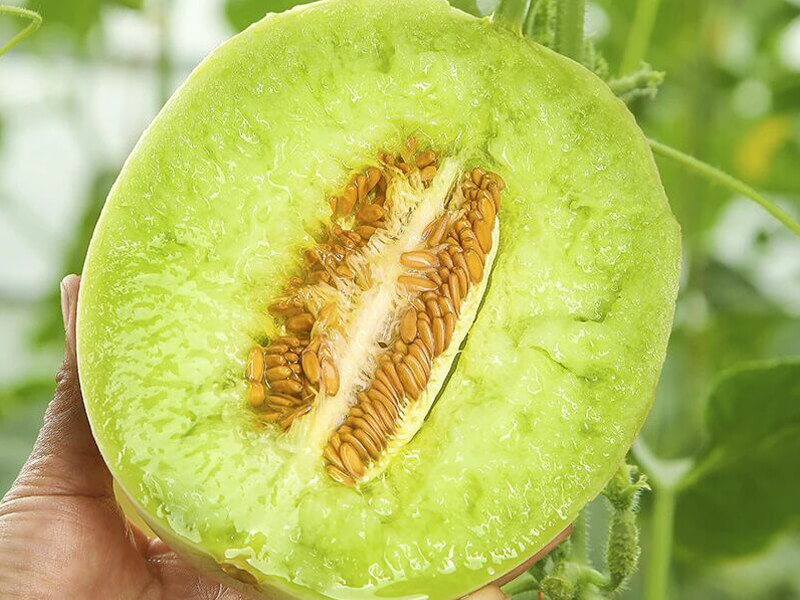
Harvesting Tips for Better Fruit Quality
Melons are best harvested:
· Early morning for freshness
· Or afternoon for long-distance transportation
When harvesting:
· Leave 1–2 cm of stem attached
· Use scissors or knives to avoid plant damage
Morning-harvested fruit contains more moisture and may have lower transport durability.
Why UPuper Rock Wool Substrates Improve Melon Production
Modern greenhouse growers increasingly choose UPuper rock wool substrates because they provide:
· Uniform root development
· Stable moisture retention
· Excellent aeration
· Clean and disease-free cultivation
· Precise nutrient management
· Better fruit consistency
By combining precision climate control with UPuper hydroponic substrates, growers can significantly improve both yield and fruit quality.
Conclusion
As climate change and extreme weather increasingly affect traditional agriculture, hydroponic growing systems are becoming the future of modern fruit production.
Through precise environmental management and advanced substrates such as UPuper rock wool, growers can achieve:
· Stable year-round production
· Higher yields
· Sweeter fruits
· Better market quality
· Improved farming efficiency
In the future, rock wool hydroponic cultivation may transform fruit production from “depending on the weather” into a truly controllable and sustainable agricultural system.






 Return