Eggplant is one of the most widely consumed vegetables in the world, especially during the summer and autumn seasons. Popular dishes such as braised eggplant, garlic eggplant, and minced meat eggplant make it a favorite ingredient in many cuisines.
Beyond its culinary value, eggplant is rich in:
· Vitamin E
· Vitamin P
· Antioxidants
· Dietary fiber
It is known for health benefits including:
· Heat relief during summer
· Blood pressure support
· Anti-aging properties
· Cardiovascular health support
However, traditional soil cultivation often faces serious challenges:
· Soil-borne diseases
· Pest infestations
· Weather instability
· Low yield consistency
· Uneven fruit quality
As greenhouse agriculture continues to evolve, growers are increasingly adopting rock wool hydroponic cultivation systems to improve productivity and crop quality.
Among modern hydroponic substrates, UPuper rock wool substrates have become an ideal solution for eggplant greenhouse production.
By combining precise nutrient management with environmental control, growers can achieve:
· Higher yields
· Faster growth cycles
· Better fruit quality
· Reduced disease pressure
· More stable year-round production
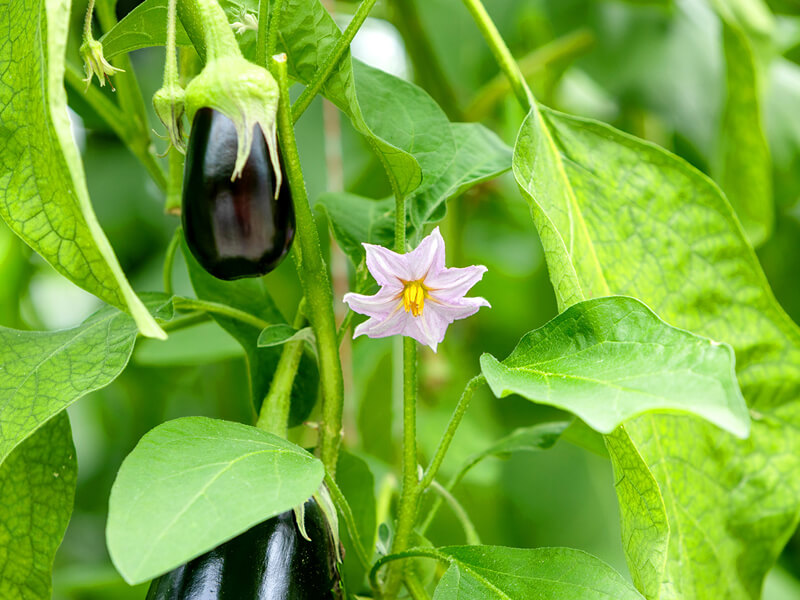
Eggplants are highly responsive to root-zone conditions. Traditional soil systems often suffer from:
· Poor drainage
· Root diseases
· Salt accumulation
· Uneven nutrient availability
Rock wool hydroponic systems solve these issues by creating a highly controllable root environment.
UPuper rock wool substrates provide:
· Excellent water retention
· Balanced oxygen supply
· Stable root-zone EC
· Uniform nutrient distribution
· Cleaner cultivation conditions
This allows growers to manage the entire crop cycle with greater precision.
Choosing the Right Eggplant Variety
Before starting hydroponic cultivation, selecting suitable varieties is critical.
Growers should consider:
· Local climate conditions
· Disease resistance
· Market demand
· Greenhouse adaptability
Choosing disease-resistant varieties significantly improves long-term production stability.
Recommended Growing Schedule
A common greenhouse production cycle includes:
· Seedling stage:
o Late July to early August
· Transplanting:
o September
· Harvest period:
o Continuous harvesting until the following July
This extended production cycle makes environmental and nutrient management extremely important.
Seed Germination and Nursery Management
Seed Preparation
Before sowing:
· Disinfect the greenhouse
· Treat seeds using warm water soaking or germination stimulation
UPuper rock wool plugs should be soaked for 24 hours using nutrient solution with:
· EC: 1.5–2.0 mS/cm
· pH: 5.5
Eggplant seeds are then placed into the UPuper rock wool plugs and lightly covered with vermiculite.
Germination Conditions:
· Temperature: 18–30°C
· Germination time: 5–7 days
Seedling Stage Management
After emergence, seedlings are transplanted from rock wool plugs into UPuper rock wool growing blocks when plants develop:
· Two true leaves
· One growing center
The growing blocks should also be pre-soaked with nutrient solution for 24 hours.
Temperature Management During Nursery Stage
Before Two True Leaves:
· Maintain 20–25°C
After Two True Leaves:
· Increase temperature to 25–28°C
· Promote stronger vegetative growth
Before transplanting, seedlings should undergo hardening:
· Maintain 20–25°C
· Night temperatures approximately 10°C lower than daytime
Nutrient and Water Management During Nursery Stage
Recommended ranges:
· pH: 5.5–6.5
· EC: 1.5–2.0 mS/cm
UPuper rock wool substrates help stabilize moisture and nutrient levels during this sensitive growth stage.
When roots reach the bottom of the growing block, seedlings are ready for final transplanting.
UPuper rock wool slabs should be:
· Pre-cut on top
· Soaked with nutrient solution:
o EC: 2.0–2.5 mS/cm
o pH: 5.5
· Soaked for 24–36 hours before use
Drainage openings should then be created at the bottom of the slab.
Environmental Control After Transplanting
High temperature and humidity immediately after transplanting help seedlings recover quickly.
Once new leaves appear:
· Day temperature:
o 28–30°C
· Night temperature:
o 15–17°C
Excessively high night temperatures increase respiration and reduce fruit setting efficiency.
Irrigation and Nutrient Strategy
At the early transplant stage:
· Nutrient EC:
o 1.7–1.9 mS/cm
· Irrigation volume:
o Approximately 300 ml per plant daily
Irrigation frequency should be adjusted based on:
· Solar radiation
· Temperature
· Humidity
UPuper rock wool substrates maintain excellent water-air balance, reducing root stress during rapid growth.
Flowering Stage Management
Temperature Requirements
· Daytime:
o 25–30°C
· Maximum:
o Below 35°C
· Night:
o 15–20°C
Temperatures below 10°C may cause malformed flowers.
Nutrient Requirements During Flowering
Recommended nutrient solution:
· EC: 2.5–2.8 mS/cm
Irrigation volume:
· 800–1000 ml per plant daily
Pollination and Fruit Set Management
Eggplants are generally self-pollinating.
Best Pollination Timing:
· Sunny days:
o 7–10 AM
· Cloudy days:
o Afternoon
Since flower numbers are limited, growers often use:
· Fruit-setting hormones
· Gibberellic acid
· Bumblebee pollination
These methods improve fruit set consistency in greenhouse systems.
Fruit Development Stage
Temperature Management
· Daytime:
o 25–32°C
· Night:
o 16–18°C
Temperatures below 10°C may cause fruit hardening and poor development.
Nutrient and Irrigation Strategy
Recommended nutrient EC:
· 2.8–3.2 mS/cm
Irrigation volume:
· 1800–2300 ml per plant daily
This stage requires stable water supply and strong nutrient support.
UPuper rock wool substrates provide excellent nutrient retention while maintaining root oxygen availability.
Pruning and Plant Training
Greenhouse eggplants are commonly trained using a double-stem system.
Standard Practice:
· Keep the first side branch below the first fruit
· Form two main stems
· Remove additional side branches
· Leave one leaf and one bud at each node
This method improves:
· Ventilation
· Light penetration
· Fruit quality
· Yield consistency
Harvesting Techniques
Eggplants are ready for harvest when the light-colored ring beneath the calyx disappears.
This indicates that fruit growth has slowed and the fruit has reached commercial maturity.
Harvest Recommendations:
· Harvest in the morning or afternoon
· Use scissors to cut two-thirds of the stem
At these times:
· Water content is higher
· Fruit quality is better
Precision Irrigation Strategy in Rock Wool Systems
Irrigation timing should follow sunrise and sunset cycles.
Recommended Schedule:
· First irrigation:
o About 2 hours after sunrise
· Final irrigation:
o 1–3 hours before sunset
· Cloudy days:
o Stop irrigation about 5 hours before sunset
Managing Rock Wool Moisture Content
One major advantage of UPuper rock wool substrates is their excellent water retention and drainage capacity.
Recommended moisture levels:
· Daytime:
o Around 80%
· Nighttime:
o Around 60%
Daily irrigation should generate:
· 15–20% drainage runoff
This helps maintain:
· Stable EC
· Balanced oxygen levels
· Healthy root systems
Modern greenhouse growers increasingly adopt UPuper rock wool substrates because they provide:
· Cleaner root environments
· Reduced disease pressure
· Precise irrigation management
· Faster crop growth
· Improved fruit uniformity
· Higher yields
According to greenhouse cultivation trials, rock wool hydroponic systems can increase eggplant yields by:
· 2–3 times compared with traditional soil cultivation
At the same time, fruit quality and consistency are significantly improved.
Conclusion
As modern agriculture faces increasing challenges from climate change, disease pressure, and unstable weather conditions, hydroponic cultivation technologies are becoming essential for sustainable vegetable production.
By combining:
· Precision environmental control
· Scientific nutrient management
· Advanced substrates such as UPuper rock wool
Growers can achieve:
· Higher yields
· Better quality
· Reduced disease risk
· More efficient greenhouse production
Rock wool hydroponic cultivation is rapidly transforming eggplant production into a more stable, controllable, and profitable agricultural system for the future.






 Return